Join Your Greener Future...

Find Your Greener Future on Facebook to get the latest updates!
Home | Contact Me | Manuela's Story | GarbArt Projects and Pictures | __________________________________________________________________________________________________________________________

Friday, October 1, 2010

The Downside Of Paper Recycling. WHAT????

You can't imagine how surprised I was when I read an article about the downside of conserving water in Germany. Being German myself, I grew up thinking I did the right thing preserving water wherever and whenever I could.
Now studies show that saving water actually damages the environment! Why? Long story made short - because there's a lot of rainfall in Germany and only a small percentage of this water is being used. So, in order to keep the water clean and safe, there has to be more "water traffic" going on, otherwise grease and food will get stuck in the pipes, lead and other metals don't get flushed out and chemicals have to be used to keep the water clean.
Wow!
I started thinking about whether this applies to the States as well, at least for areas with a lot of rainfall. I will research that soon.
Is it possible that some of the things that we believed were the right thing for the planet turn out to be, um, not so good?

A while ago a reader commented on a post about recycling and mentioned that paper recycling has its downsides. I promised to look into that. And I am very surprised by my findings:

  • Recycling newsprint actually creates more water pollution than making new paper: for each ton of recycled newsprint an extra o 5,000 gallons of waste water are discharged (source: New York Times)
  • Recyclables are usually transported over long distances by energy-consuming, pollution-spewing vehicles
  • Every ton of paper that is burned rather than recycled prevents 300 kilograms of carbon dioxide emissions (source: Journal of Environmental Planning and Management)
  • Many recycled paper products are treated with a mixture of bleach and/or other chemicals and toxins that make their way into our homes
  • Products made of recycled paper such as paper towels or bathroom tissue are often not so soft and absorbent with lower wet strength and higher fibre content. As a result, consumers use more towels at a time

  • One anti-recycling argument has been that, even though a lot of trees have to be cut to produce new papers, more trees will be planted in their place. And there's something to that: America's forests have three times as many trees now than in 1920
  • "Paper is an agricultural product, made from trees specially for paper production.Acting to conserve trees by recycling paper is like acting to conserve cornstalks by cutting back on corn consumption." (Jerry Taylor, Director of Natural Research Studies at the Cato Institute)
  • If you buy paper products, make sure to buy FSC- approved products (Forest Stewardship Council - promotes responsible management of the world's forests)
  • If you support paper recycling, make sure the recycling plant in your area doesn't use chlorine
  • Buy only recycled paper products that are unbleached or bleached without chlorine, to keep dangerous toxins out of your home and the environment
So what should one do?

Minimize consumption. That's the only thing to do. As with everything else, we overuse paper. Think packaging, cleaning supplies, books, magazines,...
I cleaned our apartment today and didn't use a single piece of paper towel. I have reusable cleaning cloths that I bought years ago and throw in the wash after use, and they work just fine.
Reading the news and magazines online, getting books from the library or at least second hand are other ways to reduce paper consumption.
Buying products from the bulk aisle will cut down on the light cardboard packages. And if you order something, make sure to pick companies that don't overpack their products.
Oh, and call those firms that keep sending you those junk mailings and ask them to take you off their list, or put a sticker on your mailbox that says "NO JUNK MAIL PLEASE".

And keep this order in mind: Reduce, Reuse, and finally, if at all in this case, Recycle.
This, by the way, applies to everything in our lives, not only paper :-)

Happy preserving!

Monday, September 27, 2010

Recipe: Raw Cashew Cream With Fresh Berries

Raw Cashew Cream With Fresh Berries

This is the easiest, yummiest dessert ever. And super healthy!

For about 3 portions you'll need:

* 1 cup raw cashews
* 1 cup fresh berries
* raw honey or maple syrup to taste

1) Put cashews in a container, cover with filtered water and put in fridge for a couple of hours
2) Pour the whole content of container in a high-speed blender and mix well, until cashews have a whipped-cream consistency

3) Add sweetener, if you like (cashews are surprisingly sweet though, so don't overdue it)

4) Arrange in glasses with berries (I used freshly picked wild raspberries and strawberries)

Enjoy!

Tuesday, September 21, 2010

The Eco-Friendly Diet

What we eat has a tremendous ecological impact. The strategy? A diet that focuses on cutting carbon:

  • Buy Locally, Organically and Seasonally (With local and organic at the same time providing the most earth-friendly impact)
  • Grow Your Own (Even if you don't have a garden - think herbs or cherry tomatoes on the window sill)
  • Choose Your Drinks Wisely (Think coffee, tea and alcohol besides juices and milk - what's important is drinks produced sustainably without the use of chemical fertilizers and pesticides)
  • Be Takeout Savvy (how about bringing your own container? Refuse paper napkins, plastic utensils and condiment packets)
  • Choose Whole Foods (The process of turning raw foods into the processed products that we find on supermarket shelves requires tremendous amounts of energy. Opting for a whole foods diet, rich in raw and unprocessed foods, will not only have an incredible impact on your health, it will also cut your food-related carbon footprint by almost one-third!)
  • Say No To Bottled Water (Only about 14% of the 70 million-plus water bottles used by Americans on a daily basis get recycled! The rest ends up in landfills, and even worse, in oceans. Plus, the production and shipping of bottled water consumes vast quantities of oil)
  • Eat Less Meat (One cow has to eat eight pounds of corn and soy (even though cows are not meant to eat those) to produce one pound of meat. Just think about the fertilizers and pesticides to produce the food for the animals! And the energy to produce, ship and process meats! Cutting (way) down on the meat consumption and opting for pasture-raised meat would help minimizing the food-related carbon footprint even more)
  • Eat Less Of Everything (Seriously, consuming less will reduce the carbon footprint (no matter how green the food we eat, it still has to be grown, packed, shipped - lots of energy) as well as our waistlines :-)

Wednesday, September 8, 2010

Junk Mail: Did You Know That...

  • 5.6 million tons of catalogs and other direct mail advertisements end up in U.S. landfills annually.
  • The average American household receives unsolicited junk mail equal to 1.5 trees every year—more than 100 million trees for all U.S. households combined.
  • 44 percent of junk mail is thrown away unopened, but only half that much junk mail (22 percent) is recycled.
  • Americans pay $370 million annually to dispose of junk mail that doesn’t get recycled.
  • On average, Americans spend 8 months opening junk mail in the course of their lives.
(Source: Larry West)

Recycling is not the answer here, we have to solve the problem by stopping this. Too much energy, money, fuel goes into the production of the mailings, catalogs, coupons etc. that nobody wants and then again into the disposal of it. Totally unacceptable, both for the planet as well as our wallets!

In Germany I noticed that a lot of households have little stickers on their mailboxes saying "no catalogs, offers, coupons please" and the mailman won't put in local supermarket's offers. I saw this one online and am wondering whether it would help here as well.

Another step you can take to stop companies from sending you their offers is contacting them directly.
I know, it's inconvenient and takes some time, but it's worth it in the long run.

There are websites where you can register your name and address for a fee (www.mailstopper.tonic.com is one example), but there's ways to do it for free, too. Check out this online guide to stopping the junk coming into your life for some great ideas.

Friday, August 27, 2010

What Are You Willing To Give Up...

... for a greener lifestyle?

Sometimes I cannot help but wonder: are we all just talking green without really changing our old (bad) habits?
We all want to stop climate change, we all want a healthy environment and we all want to leave our children and grandchildren a planet that's still livable.
But what are we willing to do to achieve all this?
I feel like everybody talks, but only few are actually acting green.
Let's take a look at some everyday activities:

  1. Shopping I. Ever thought about doing shopping without a car? It's possible! If you have children, use the stroller as a cart and bring the groceries back without having to carry them. A bike can also hold lots of things, as can the good old backpack. Oh, and don't forget your bags (also for produce!).
  2. Shopping II. Did you ever buy something just because it was cheap? Or because it just looked so cute at the time? Stop doing it. Not only will this help your wallet, it will also support the planet since most of those spontaneous buying lands in the landfills sooner or later. Shop wisely and start frequenting second-hand stores (as they're called in Europe) - you'll be surprised at how much quality stuff you can find there.
  3. Getting around. Again, it IS possible without a car. Either with public transportation or by bike or per pedes - good for your health, good for the planet.
  4. Summer heat. Are you willing to reduce or ugh, even cut your air conditioning? I know it can get very hot - but somehow people were able to deal without AC just a few decades ago...
  5. Food. How convenient are you? Think about how many times per week you consume processed, prepacked meals that need tons of energy for production. Also, how many animal products do you eat? Keep in mind that livestock produces MOST of the CO2 emissions worldwide. Cutting out just one animal-packed meal per week per person would make a huge difference.
  6. Water. Still buying plastic water bottles? Please reconsider. First of, you pay way too much. Second, think about the environmental impact of all these plastic bottles (which mostly end up in the landfills and oceans with horrendous results, not in recycling) - switch to simple glass or stainless steel bottles  and a good filter system instead.
  7. Eating out. Doesn't matter whether we talk about school lunchboxes, work lunches or eating out, think about the packaging and the content. And think big, meaning don't just look at your small family, think about the millions and trillions of people who pack their lunches every day. Avoid disposables (everything that's pre-packed, juice boxes, plastic cutlery, napkins) and pack real food with real accessories instead. It's healthier for us and for the planet!
  8. At home. Yes, it is convenient to have some lights on all the time. Yes, it is fun to take a bath every day and yes, it is easy to throw just a few things in the dryer to get something dry right now. It's easy because we can do it. But it's time that we realize it's not smart to do it. Not at all. Too much wasted energy, and also wasted money. We need to rethink our actions and adjust to more sustainable and greener habits.
  9. Oil. Yes, oil. It's an everyday thing. Not only for cars (but yes, cutting down on driving definitely helps here, too). Oil is used for almost everything in our everyday live, from plastic over cosmetics to medicine. I don't need to talk about the Oil Spill in the Gulf of Mexico to remind you of the dangers of our dependency. Cutting down on everything that contains oil will help here. Check your labels. Cut down on plastic. Walk a little more. You get the idea.
As long as we're just talking, but still have the AC running day and night, still drive everywhere, shop like there's no tomorrow, use disposables for convenience and eat the way we ate for the last years (meaning a ton of animal products as well as processed and prepared foods) not much will change.
What are you willing to give up?

Saturday, August 21, 2010

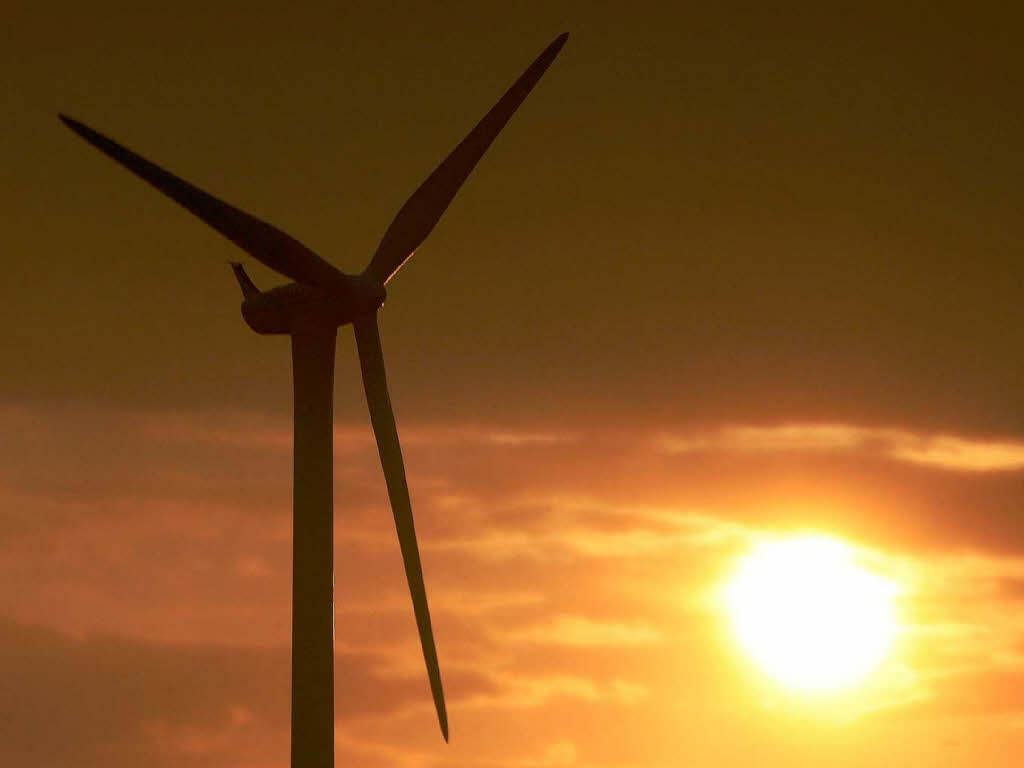
Some Facts About Wind Energy

"Wind energy" or "wind power" describe the process by which the wind is used to generate mechanical power or electricity.
Wind turbines convert the kinetic energy in the wind into mechanical power, which can be used for specific tasks like pumping water, or a generator can convert this mechanical power into electricity to power homes, businesses or schools.

Here are a few wind energy facts that you may or may not know. Too often people forget that wind energy might be a potential alternative source of energy. Here's why wind power should not be overlooked:
  • Wind energy is a form of solar energy, and is therefore renewable. 
  • Wind does not need to be produced, like ethanol does, therefore there will always be a constant supply of it.
  • Wind energy is very expensive to set up. It requires significant amounts of capital to establish wind farms. After the initial investment and startup costs, however, it is one of the cheapest forms of electricity generation to maintain.
In 2005, wind accounted for 1% of the total electricity production in the world. The United States was third in utilization of wind energy, with Germany being the leading producer. According to the Department of Energy, offshore wind farms could provide enough energy to power the entire nation. Clearly what we see here is that we have barely touched the amazing capabilities of wind power, and we can expect to see wind power become a massive source of renewable energy in the U.S., and around the globe.

What we are starting to see is through these wind energy facts is that we have not taken wind energy seriously enough. There is an incredible amount of energy that can be generated through the power of wind. Until we realize just how awesome this energy source is, we will be left to worry about rising fuel costs and the problems that fossil fuels create for humans, animals, and the environment. Let's hope that wind energy is taken more seriously on a global scale.

(Source: Energyrefuge.com) 

Here is the promised short video of the 4 powerful wind mills in Freiburg, Germany:

Wednesday, August 4, 2010

Did You Know That...

"[...] enough wind power blows through the Midwest corridor every day to also meet 100 percent of US electricity demand."

Al Gore, July 2008

Hi everybody,
I'm writing this post in Germany's green capital Freiburg. This city really has it down when it comes to green living.

A few days ago we took a hike in the nearby mountains. We walked for about 5 hours and the first impressing thing was that I noticed three (3!!!) pieces of junk in the forest during those hours.
The second one was the proximity to three windmills - never in my life did I come any closer to windmills. Oh my god! I could almost feel the power.
Hopefully people all over the world start to realize how GREAT these are.
Check back soon for more information on wind energy and a short video of the Freiburg windmills.

ShareThis